Chain Pickerel Fishing in Manhattan Kansas
Chain Pickerel Fishing in Manhattan - Local Water Insights

Fishing, Tours Adventures by Captain Gregory Hirschey in July
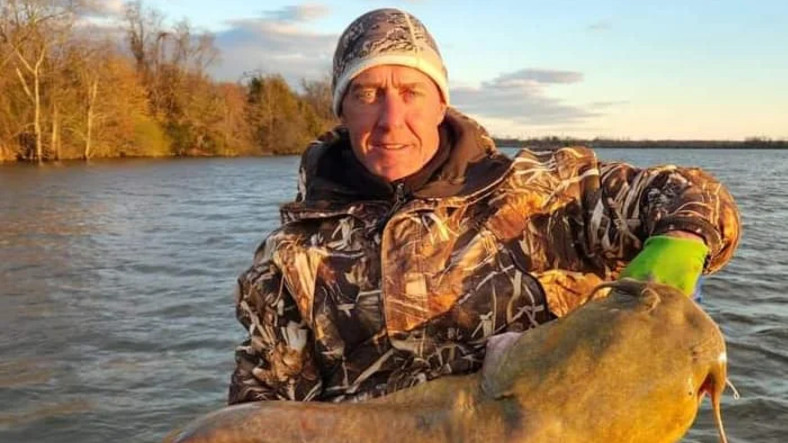
- Kansas Trophy Blue Catfish Guided Trip


Summary
This fishing tour with Fish n Tales Go on Monday, July 27th showcased what makes Kansas waters special for anglers. Targeting chain pickerel and northern pike, the experience delivered a solid day on the water in Manhattan, complete with the technique and local expertise that separates good fishing from great fishing.
Fishing with Captain Gregory Hirschey - Local Expertise & Experience
Captain Gregory Hirschey of Fish n Tales Go guided this fishing tour on Monday, July 27th in Manhattan, Kansas, where chain pickerel and northern pike proved to be active targets. The day reflected what happens when a guide knows the local water well - the right locations, the right timing, and the right approach to connecting with fish that live in these lakes and waterways.
Fishing in Manhattan's waterways offers a different kind of challenge than ocean chasing or trophy hunting out west. It's technical fishing in familiar territory where understanding the species, their habitat preferences, and seasonal patterns makes all the difference. That's what separates a casual outing from a day that produces real catches and genuine fishing moments.
Highlights of the Manhattan Fishing Experience
Chain pickerel are aggressive predators, and they responded well to the tour's approach. These fish hit hard and fight harder, making them ideal for anglers who want action rather than a long waiting game. Northern pike, their larger cousins, bring similar intensity to the water. Both species are present in Kansas waters, and this particular stretch of water supported a solid day of fishing.
The combination of these two species in one location gives anglers variety and keeps the day interesting. Morning conditions set the tone, and the guide's knowledge of where to position the boat and which techniques would work best proved essential to the day's success.
Local Species Insights: Chain Pickerel & Northern Pike
Chain pickerel thrive in freshwater lakes and slower-moving water where they can ambush prey. They're smaller than pike but equally aggressive, with a body built for speed and precision strikes. Their teeth are sharp, their strikes are violent, and they test both your equipment and your reflexes. In Manhattan's local waters, they're abundant enough to keep rods bent throughout the day.
Northern pike occupy similar territory but at a larger scale. Where pickerel rely on burst speed and aggression over short distances, pike use size and power. They hunt in weed beds, near structure, and in deeper pockets where they can surprise larger prey. Both species share a preference for clear, cool water with adequate cover - conditions that Manhattan's fishing areas provide well.
What makes fishing for these species rewarding is their willingness to strike. Unlike bass that might follow and refuse, or trout that demand precision, pike and pickerel commit to their strikes. They see something they want to eat, and they go for it. This directness appeals to anglers who want feedback and action rather than technical subtlety.
The fishing here rewards attention to detail - casting accuracy, lure selection, retrieve speed, and presentation all matter. But they also reward patience and persistence. The guide's experience reading the water and understanding how these fish move through the day separates productive hours from slow ones.
Plan Your Fishing Day in Manhattan
A typical day with Fish n Tales Go puts you on the water with Captain Gregory Hirschey, someone who knows these fish and these waters intimately. The tour format means you're not fishing alone; you have a guide watching the water, suggesting adjustments, and helping you connect with strikes when they come.
Manhattan's fishing windows are best during early morning and late evening when light is lower and fish are more active. The midday hours can still produce, especially if you're targeting deeper water where pike and pickerel retreat from bright sun. The guide adjusts strategy based on conditions, moving between productive spots and adapting techniques as the day unfolds.
Bring comfortable clothes you don't mind getting wet, sunscreen, and polarized sunglasses if you have them. The gear you'll need is typically provided through Fish n Tales Go, though confirming equipment details when booking ensures you're set up for success. Most importantly, bring the willingness to cast repeatedly and stay engaged - this kind of fishing rewards activity and attention.
Fishing in Kansas: Chain Pickerel and Northern Pike
Chain Pickerel Overview
The Chain Pickerel (Esox Niger) is a freshwater fish belonging to the family Esocidae and order Esociformes, commonly known as the Pike family or "Water Wolves." These feisty predators earn their nickname from a distinctive chain-like pattern of spots that runs along their sleek, torpedo-shaped bodies. Unlike their larger cousins the Muskellunge and Northern Pike, Chain Pickerels are compact but mighty hunters with fully-scaled cheeks and a mouth packed with razor-sharp teeth arranged in three strips along their vomer. Found across the eastern United States from South Canada down to Florida and westward to Texas, these fish are particularly popular with anglers in the Mississippi Valley and around Lake Michigan. What makes the Chain Pickerel truly special is their aggressive personality—they're known for launching themselves out of the water to snatch insects and small prey, making every encounter an exciting adventure for fishermen and nature observers alike.
Chain Pickerels have earned a reputation as fierce, opportunistic hunters that will attack almost anything within their line of sight. Their bodies are perfectly designed for ambush hunting in weedy waters, and their attitude gets noticeably more aggressive as they mature. Whether you're a seasoned angler or a curious outdoor enthusiast, understanding this species will enhance your appreciation for freshwater ecosystems and improve your chances of a memorable encounter.
Chain Pickerel Habitat and Distribution
Chain Pickerels thrive throughout the eastern coastal regions of North America, ranging from South Canada all the way down to Florida, and extending westward into parts of Texas. These fish show a strong preference for vegetative lakes, swamps, slow-moving rivers, and quiet pools where they can hide among aquatic plants and launch surprise attacks on unsuspecting prey. They favor warm waters that aren't constantly disturbed by tidal action, and remarkably, they can tolerate acidic conditions—some populations thrive in waters with pH levels as low as 3.8. The Mississippi Valley serves as a hotspot where anglers frequently encounter healthy populations, while Lake Michigan also hosts robust numbers of this species. In northern regions of the Great Lakes, they're considered an invasive species, but throughout their native range, they remain an integral part of the freshwater ecosystem. Whether you're fishing a small pond, a meandering river, or a large lake, look for Chain Pickerels lurking in weedy areas and around submerged structures where they can ambush passing prey.
Chain Pickerel Size and Weight
Most Chain Pickerels caught by anglers fall in the moderate size range, with typical specimens measuring between 14 and 24 inches in length and weighing between 3 and 5 pounds. While these dimensions make them significantly smaller than Muskellunge or large Northern Pike, don't let their compact size fool you—pound for pound, they fight with surprising intensity. In rare circumstances, particularly in pristine lake ecosystems with abundant forage, specimens can reach impressive lengths of up to 39 inches, though these trophy-sized individuals are uncommon. The average full-grown Chain Pickerel typically reaches around 24 inches and weighs approximately 3 pounds, making them an accessible target for anglers of all skill levels while still delivering the thrilling fight that the Pike family is famous for.
Chain Pickerel Diet and Behavior
Chain Pickerels are textbook ambush predators whose dietary preferences and hunting behavior change dramatically as they mature. Young Chain Pickerels are content settling for smaller fish and aquatic invertebrates, but as they grow older, their confidence and appetite expand considerably. Adult Chain Pickerels become notoriously aggressive and will consume mice, frogs, crayfish, small waterfowl, and virtually any creature unfortunate enough to venture within striking distance. Their highly specialized teeth arrangement—three strips of teeth on their vomer—allows them to grip prey with devastating efficiency, often inflicting grave wounds that ensure successful capture. What truly sets Chain Pickerels apart is their "Water Wolf" mentality: they're prone to attacking anything that moves within their visual field, and they famously leap clear out of the water to snatch insects and small prey from the air or surface. This opportunistic hunting style makes them exciting to observe but also means anglers must exercise caution around these toothy predators. Their bodies are specifically engineered for life in vegetated waters, allowing them to accelerate rapidly and turn sharply when pursuing prey through dense aquatic plants.
Chain Pickerel Spawning or Seasonal Activity
Chain Pickerels are most active during warmer months when water temperatures rise and their metabolism increases accordingly. Their breeding season typically occurs in spring when water temperatures warm sufficiently to trigger spawning instincts. During pre-spawn and spawn periods, females move into shallow vegetated areas where they lay eggs over aquatic vegetation. Males aggressively defend territories during this time, making spring an excellent period for anglers seeking active, aggressive fish. As water temperatures peak in summer, Chain Pickerels tend to seek deeper, cooler refuges in lakes, though they remain active hunters throughout the season. Fall brings renewed aggression as fish prepare for winter, and cooler water temperatures often trigger feeding binges. Winter fishing can be productive in southern portions of their range where waters don't freeze solid, but in northern areas, activity slows considerably once water temperatures drop significantly.
Chain Pickerel Techniques for Observation or Capture
Live Bait and Topwater Lures: Chain Pickerels respond aggressively to live minnows and small fish, making them an excellent choice for anglers seeking reliable results. Cast live bait near weed beds, submerged logs, or other structure where these ambush predators hide. Topwater lures that create surface disturbance also trigger strikes, as Chain Pickerels instinctively attack anything that resembles injured prey. Use a steel leader or 12-17 pound test line to prevent bite-offs from their razor-sharp teeth. Around the Mississippi Valley region, early morning and late evening sessions near vegetated shorelines often yield the best results.
The Figure-8 Technique: This specialized approach involves casting spinnerbaits, plugs, or crankbaits near likely holding areas, then performing light curves and turns as you retrieve—alternating between bringing the lure close to the boat and drawing it away. This erratic movement mimics injured forage fish and triggers aggressive feeding responses from Chain Pickerels. The technique requires focus and finesse but consistently produces strikes when executed properly.
Fly Fishing and Jig Techniques: Experienced anglers report success using large, flashy flies and small jigs that resemble natural prey. Bass fishing techniques also work well for Chain Pickerels—jerking baits to create the appearance of injured prey often provokes violent strikes. Cast near vegetation in ponds and swamps where water remains relatively undisturbed, and work your offering with steady, deliberate movements. In areas like Michigan's lake systems, these techniques during mid-morning hours often coincide with active feeding periods.
Chain Pickerel Culinary or Utilization Notes
Chain Pickerels are technically edible and have been consumed for generations throughout their native range. However, potential diners should be aware that these fish have a bone structure similar to milkfish, containing numerous small bones throughout the flesh. Unless you're skilled at carefully flaking the meat away from bones or have access to boneless processing, Chain Pickerels are not recommended for children or those with limited fish-preparation experience. For anglers willing to invest the effort, the white flesh has a mild flavor that some find acceptable, though the high bone content deters many modern cooks. Most recreational anglers today practice catch-and-release with Chain Pickerels, valuing them primarily for the sporting experience rather than food value. Their ecological importance as apex predators in freshwater systems makes their preservation and management essential for maintaining healthy aquatic communities.
Chain Pickerel Frequently Asked Questions
Q: What is the best bait or lure for catching Chain Pickerel?
A: Live minnows are highly effective, but Chain Pickerels also respond enthusiastically to spinnerbaits, topwater lures, plugs, and flies. Flashy baits that resemble forage fish trigger aggressive strikes. The Figure-8 retrieval technique—making light curves and turns with your lure—significantly increases your chances of success. Steel leaders are recommended due to their sharp teeth.
Q: Where can I find Chain Pickerel near major fishing destinations?
A: Chain Pickerels are abundant throughout the Mississippi Valley and Lake Michigan region. Look for them in vegetated lakes, swamps, slow-moving rivers, and quiet pools. They prefer areas with minimal tidal disturbance and even tolerate acidic waters. Early morning and late evening near weed beds and submerged structures offer your best opportunities for encounters.
Q: Are Chain Pickerels good to eat?
A: While technically edible, Chain Pickerels contain numerous small bones throughout their flesh, making them challenging to prepare. Unless you're experienced at careful bone removal or have access to professional boneless processing, they're not recommended for most diners. Most modern anglers practice catch-and-release, valuing them primarily for sport fishing.
Q: When is the best time to catch Chain Pickerel?
A: Spring spawning season and fall pre-winter feeding periods typically offer the most aggressive strikes. Summer remains productive, though fish may seek deeper, cooler refuges during peak heat. Early morning and late evening sessions throughout the warm-water season generally outperform midday fishing.
Q: How do Chain Pickerels compare to Northern Pike and Muskellunge?
A: Chain Pickerels are significantly smaller than both species, rarely exceeding 24-30 inches compared to pike and muskie that commonly grow much larger. However, they're more aggressive biters and more accessible to average anglers. Chain Pickerels have fully-scaled cheeks and a distinctive chain-pattern, distinguishing them from their larger pike-family relatives.
Q: Why are Chain Pickerels called "Water Wolves"?
A: This nickname reflects their fierce, opportunistic hunting style and willingness to attack almost anything within their visual range. Chain Pickerels are known for launching themselves out of the water to snatch insects and small prey, and their pack-like aggressive behavior in certain water systems earned them this predatory reputation among anglers and naturalists.
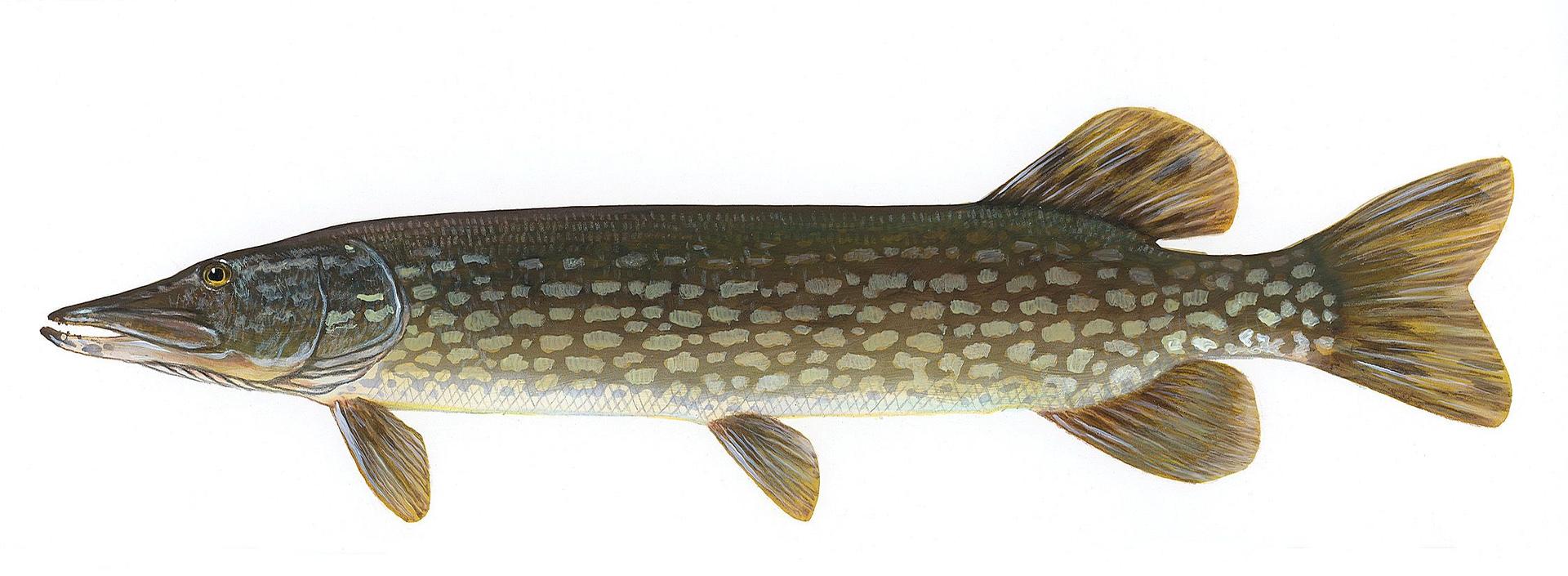
Northern Pike Overview
The Northern Pike (Esox lucius), belonging to the family Esocidae and order Esociformes, is one of North America's most prized freshwater gamefish. Known for their aggressive hunting prowess and distinctive appearance—featuring an elongated body with grey to greenish coloration punctuated by uneven rows of yellowish-white specks—these freshwater sharks have captivated anglers and outdoor enthusiasts for generations. With a temperament as fierce as their dagger-like teeth, Northern Pike are solitary predators that have earned a legendary reputation for being tough fighters. Whether you're casting lines in Minnesota's pristine lakes or exploring the northern reaches of the Great Lakes, encountering a Northern Pike is a thrilling reminder of nature's raw power and unpredictability.
Northern Pike Habitat and Distribution
Northern Pike are distributed throughout the northern half of North America, with particularly strong populations in the Great Lakes, northern New England, eastern New York, Minnesota, and the Ohio Valley. These fish extend as far north as Alaska and Canada, and can also be found in Nebraska and Missouri. They thrive in cool, shallow areas of streams, lakes, and rivers where they have excellent access to prey. During summer months when waters heat up, they migrate to deeper, cooler waters to maintain their preferred temperature range. The ideal habitat includes marshy areas abundant with aquatic vegetation, inlets, bays, and coves—prime hunting grounds where these predators ambush unsuspecting prey.
Northern Pike Size and Weight
The average Northern Pike measures around 2 feet in length and weighs approximately 34 pounds, though typical catches for anglers range from 16 to 29 inches with weights between 2 and 34 pounds. These fish display remarkable growth potential, with the largest pike ever caught in the U.S. reportedly measuring an impressive 4 feet 10 inches long. Individual specimens can vary considerably depending on habitat quality, food availability, and water conditions, making size expectations a thrilling unknown each time you cast your line.
Northern Pike Diet and Behavior
As an aggressive and indiscriminate hunter, the Northern Pike will consume virtually any prey item that enters its territory. Their diet consists primarily of other fish species including golden shiners, yellow perch, bluegills, and suckers—even smaller Northern Pike fall victim to cannibalistic hunting behavior. Larger specimens have been documented snatching small waterfowl, frogs, and rodents when these unfortunate creatures venture too close to the water's edge or swim on the surface. This voracious appetite makes them exceptionally easy to entice with various lures and baits. Northern Pike are known for playing with their food, a behavioral trait that requires patience from anglers; when you feel a strike, resist the urge to reel aggressively and instead maintain a steady, patient pace to ensure a solid hookset. These fish can lie motionless for extended periods, making them masterful ambush predators capable of sudden, high-energy bursts when pursuing prey or escaping danger.
Northern Pike Spawning and Seasonal Activity
Northern Pike follow a compressed spawning season occurring in March and April, a critical period when solitary and highly territorial adults abandon their regular areas to travel inshore or upstream to designated spawning grounds. Spawning typically occurs during daylight hours in shallow, quiet areas featuring vegetated bottoms that provide optimal conditions for egg protection. Once eggs are laid, adults provide no parental care, leaving the eggs to develop independently. Understanding this seasonal movement is invaluable for anglers, as pre-spawn and post-spawn periods offer exceptional fishing opportunities when fish are actively feeding to build energy reserves or recover from reproductive exertion.
Northern Pike Techniques for Observation and Capture
Rod and Reel Setup: Successfully catching Northern Pike requires proper equipment designed to handle their aggressive strikes and powerful runs. A 7-foot medium-action rod paired with a reliable spinning reel featuring a drag system rated for at least 15 pounds of pressure provides an ideal foundation. Equip your setup with 15 to 20-pound braided line at minimum—the durability of braided line significantly reduces the risk of the pike's razor-sharp teeth severing standard monofilament. This combination gives you the strength and sensitivity needed to detect takes and maintain control during the fight.
Lure Selection and Retrieval: Leverage the Northern Pike's voracious feeding behavior by deploying soft plastic swim-baits, inline spinners, and spoons that mimic natural prey. The key to success lies in your retrieval technique: maintain a slow, consistent speed that makes your lure resemble an injured or struggling fish. This wounded-prey presentation triggers predatory instincts and draws strikes from aggressive pike. Remember that these fish often play with their catches, so when you feel that initial tug, resist rapid reeling and instead maintain steady pressure while waiting for the pike to commit fully to the strike.
Location Strategy: Target inlets, bays, coves, and drop-offs adjacent to shallow, marshy areas densely populated with aquatic weeds—these are the prime hunting territories where Northern Pike stage to ambush passing prey. In Minnesota and Great Lakes regions, focus on weed lines where deeper water meets shallow vegetation, as these transition zones concentrate both predator and prey. Early morning and late evening hours typically produce the most aggressive feeding activity, though pike will feed throughout the day during spring and fall when water temperatures are optimal.
Northern Pike Culinary and Utilization Notes
Northern Pike offer good odds for culinary purposes and are considered a quality food fish when properly prepared. The flesh is white, flaky, and relatively mild, though some anglers note it can contain numerous small bones requiring careful filleting technique or preparation methods like smoking that soften skeletal structures. Pike support sustainable fishing practices across North America, and harvesting these abundant predators can actually benefit ecosystem balance by controlling their populations. Nutritionally, pike provide excellent protein and omega-3 fatty acids, making them a worthwhile addition to outdoor cuisine when you've earned your catch after an exciting day on the water.
Northern Pike Frequently Asked Questions
Q: What is the best bait or lure for catching Northern Pike?
A: Northern Pike respond exceptionally well to soft plastic swim-baits, inline spinners, and spoons retrieved at a slow, consistent pace that mimics injured baitfish. Their aggressive nature means they're not particularly selective—the key is presentation speed and a wounded-prey appearance rather than specific lure color or brand.
Q: Where can I find Northern Pike in Minnesota and the Great Lakes?
A: Northern Pike thrive throughout Minnesota's lakes and the Great Lakes region, particularly in shallow, vegetated areas. Focus your efforts on weed lines, marshy inlets, and coves adjacent to deeper drop-offs. Spring and fall offer peak fishing conditions when water temperatures encourage aggressive feeding behavior.
Q: How do I handle a hooked Northern Pike safely?
A: Exercise extreme caution around a pike's mouth—its dagger-like teeth can inflict serious wounds. Keep your hands away from the mouth, use a net or landing tool, and consider wearing gloves when handling these fish. A pike's thrashing and aggressive nature demands respect and careful boat positioning.
Q: When is the best time to catch Northern Pike?
A: Spring (April-May) and fall (September-October) offer excellent odds as water temperatures encourage aggressive feeding. Summer fishing requires targeting deeper, cooler water. Early morning and late evening hours typically produce the most consistent activity, though pike will feed throughout the day during optimal temperature windows.
Q: What rod and reel specifications do I need for Northern Pike?
A: Use a 7-foot medium-action rod with a spinning reel featuring a 15-pound minimum drag capacity. Spool with 15 to 20-pound braided line to resist the pike's sharp teeth. This setup provides adequate power for fighting these strong swimmers while maintaining sufficient sensitivity to detect strikes.
Q: Is Northern Pike good to eat?
A: Yes, Northern Pike offer good eating quality with white, flaky, mild-flavored flesh. They do contain numerous small bones, so careful filleting or preparation methods like smoking that soften skeletal structures work best. Pike support sustainable harvest and provide excellent nutrition with good protein and omega-3 content.