Goldeye Fish Caught on Manhattan KS Fishing Tour
Goldeye Fishing in Manhattan, Kansas - What to Expect

Fishing, Tours Adventures by Captain Gregory Hirschey in July
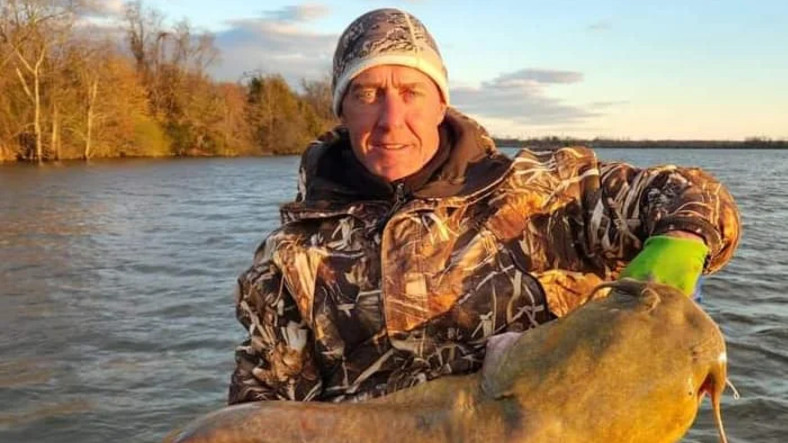
- Kansas Trophy Blue Catfish Guided Trip


Summary
Join Captain Gregory Hirschey on a Monday, July fishing and tours adventure in Manhattan, Kansas. This guided fishing experience showcases local species including goldeye in pristine Kansas waters, delivering authentic angling opportunities with professional expertise and insider knowledge of the region's best fishing grounds.
Fishing with Captain Gregory Hirschey - Rates & Booking
Captain Gregory Hirschey of Fish n Tales Go welcomes anglers on Monday, July to experience productive fishing in Manhattan, Kansas. This guided fishing adventure combines professional instruction with access to proven fishing locations where goldeye and other species thrive. Captain Hirschey's local expertise ensures you spend time on the water where fish are actively feeding and conditions favor successful catches. Contact Fish n Tales Go directly to book your preferred date and customize your fishing experience to match your skill level and goals.
Highlights of Your Fishing Adventure
Manhattan's waterways offer consistent action for anglers targeting goldeye and other native species. Captain Hirschey's intimate knowledge of seasonal patterns, current conditions, and productive depths gives you a genuine advantage. You'll benefit from years of local experience combined with proven techniques that work in Kansas waters.
This is fishing as it should be experienced - on the water with a guide who understands the environment, reads conditions in real time, and positions you for success. Whether you're refining your skills or chasing a memorable catch, the focus is on authentic angling and respect for the resource.
Local Species Insights: Goldeye
Goldeye are distinctive and exciting fish found in Kansas waters, recognized by their unique appearance and aggressive feeding behavior. These fish are highly adaptable and thrive in varied water conditions, making them reliable targets throughout the season. Understanding goldeye behavior is central to successful fishing in this region.
Goldeye typically inhabit areas with moderate current and adequate depth, often holding near structure where they can ambush prey. They respond well to live bait presentations and carefully selected lures that mimic natural forage. Their willingness to feed makes them an excellent choice for both experienced anglers and those building their skills.
Captain Hirschey's knowledge of goldeye patterns - including seasonal movements, daily feeding windows, and habitat preferences - translates directly into more productive time on the water. You'll learn why certain locations produce better results at different times, how water temperature influences feeding activity, and which techniques consistently put fish in the boat.
The environment around Manhattan supports healthy goldeye populations year-round. The combination of suitable habitat, natural food sources, and relatively light fishing pressure creates genuine opportunities for quality catches. Fishing here means engaging with a thriving ecosystem where goldeye behavior reflects natural conditions rather than stressed populations.
What makes this experience valuable goes beyond the catch itself. You're learning from someone who has invested significant time understanding local conditions, species behavior, and what it takes to fish successfully in Kansas. This knowledge transfers to your own future fishing, whether you return to these waters or apply the lessons elsewhere.
Fishing in Kansas: Goldeye
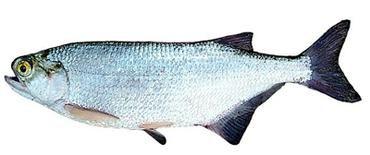
Goldeye Overview
The Goldeye (Hiodon alosoides) is a fascinating freshwater fish belonging to the Hiodontidae family within the order Osteoglossiformes. Known by a colorful array of regional names—shad mooneye, Winnipeg goldeye, yellow herring, weepicheesis, and toothed herring—this species captured the imagination of explorers and anglers alike. What makes the Goldeye truly special are its unmistakable large gold eyes that seem to glow as they reflect light, paired with a sleek silver compressed body that gleams blue-green from above and white-silver from below. This species holds historical significance as one of the 122 new fish species documented by the Lewis and Clark Corps of Discovery, and it remains an iconic symbol of Canadian freshwater fisheries, particularly around Winnipeg where it has been commercially harvested since 1876.
Goldeye Habitat and Distribution
Goldeyes prefer cloudy rivers, marshy backwaters, and the shallow muddy sections of larger lakes where they can hunt effectively in low-light conditions. These fish thrive throughout the Lake of the Woods and Red Lakes regions, and they inhabit all of Minnesota's drainage systems except Lake Superior and the upper Mississippi River. Their range extends northward through the Mackenzie River watershed and stretches from Alberta eastward to Ohio, primarily south of the Great Lakes. Historically, Lake Winnipeg served as the primary commercial source for this species, though today they remain distributed across multiple freshwater systems where suitable habitat exists. If you're exploring northern waters, chances are good you'll find Goldeyes lurking in the shadier, deeper areas of these coldwater lakes and rivers.
Goldeye Size and Weight
On average, Goldeyes reach lengths of around 14 to 20 inches with typical weights ranging from 1 to 3 pounds, though the species can occasionally push toward the upper end of this range. These are not trophy fish by conventional standards, but their modest size belies their importance both ecologically and culturally. They can live up to 10 years in the wild, though most individuals reach 5 to 7 years of age. Sexual maturity comes relatively late—males typically mature at 6 to 9 years old, while females don't reach maturity until 7 to 10 years, which means that most Goldeyes you encounter are still juveniles or young adults.
Goldeye Diet and Behavior
As an opportunistic carnivore, the Goldeye displays fascinating feeding versatility. These fish eagerly consume small fish species they can swallow whole, crustaceans, and insect larvae, with aquatic insects making up a significant portion of their diet in certain seasons. Remarkably, their menu also includes water fleas, frogs, mice, shrews, snails, and worms—an incredibly broad dietary range that allows them to exploit whatever food sources are available in their environment. This opportunistic nature makes them relatively easy to catch on a variety of baits and lures. However, Goldeyes occupy a precarious middle position in the food chain; larger predatory fish such as walleye, sauger, and northern pike actively hunt them. This predator-prey relationship helps maintain balance within freshwater ecosystems and makes understanding their habitat crucial for successful angling.
Goldeye Spawning and Seasonal Activity
Goldeyes are most actively pursued by anglers during the summer months, with peak fishing conditions typically occurring from July through September. This seasonal window coincides with warming water temperatures and increased insect activity, which drives the fish into shallower waters and makes them more accessible to both recreational and commercial fishers. The species' spawning behavior and exact timing remain less documented than some other freshwater species, but their preference for shallow, muddy habitats during summer suggests they're concentrated and vulnerable during these months. Local anglers have developed annual traditions around gathering at known Manitoba Goldeye hotspots during this period, creating a community aspect to the fishery that extends beyond mere harvest.
Goldeye Techniques for Observation and Capture
Method 1: Hook and Line Fishing in Lakes — The most straightforward approach is to fish larger lakes during early morning or late evening hours when Goldeyes move into shallow muddy areas. Use small live baits such as shiners, dace, or aquatic insect larvae on lightweight tackle with modest sinkers to keep your offering near the bottom. Work the margins between deeper water and shallow flats, as Goldeyes often patrol these transition zones hunting for food.
Method 2: Fly Fishing During Summer Months — Though Goldeyes aren't traditionally targeted by fly anglers, they can provide excellent sport on light fly tackle from July through September. Small nymphs and wet flies that imitate aquatic insects work exceptionally well. Fish during low-light periods—dawn, dusk, or overcast days—and focus on areas with visible current or around vegetation where insect hatches concentrate the fish.
Method 3: Local Hotspot Targeting Around Winnipeg and Lake of the Woods — If you're visiting the Winnipeg region or exploring the Lake of the Woods, connect with local fishing guides or bait shops to learn the specific locations where Goldeyes congregate. These sites have been productive for decades and often hold consistent populations. Fishing from shoreline access points or boat launch areas during the prime summer season dramatically increases your odds of encountering these distinctive golden-eyed fish. Many local tournaments and organized events can guide you to proven locations and teach you regional tactics.
Goldeye Culinary and Utilization Notes
The Goldeye holds a unique distinction in culinary history that few freshwater fish can claim. When properly prepared as smoked fish, Goldeyes are considered a delicacy with a distinctive flavor and attractive golden color that makes them visually appealing on the plate. Their commercial viability as a smoked product was established in the 1890s when an English immigrant named Robert Firth to Winnipeg pioneered the smoking process, transforming what could have been an overlooked species into a sought-after food product. The prestige of smoked Goldeye was cemented when former President Woodrow Wilson and the Prince of Wales both listed it among their favorite foods during the 1910s. Today, while fresh Goldeye fillets offer mild, delicate flesh suitable for pan-frying or baking, the smoked preparation remains the traditional and most celebrated preparation method. The fish's modest size makes it ideal for whole-fish smoking, a visually impressive presentation at dinner tables and specialty food markets.
Goldeye Frequently Asked Questions
Q: What is the best bait for catching Goldeye?
A: Live baits work exceptionally well—small shiners, dace, and aquatic insect larvae are top choices. If live bait isn't available, small spoons, spinners, and wet flies can also entice strikes. The key is presenting your bait near the muddy bottom of shallow areas during low-light hours.
Q: Where can I find Goldeye near Winnipeg or in Manitoba?
A: Lake of the Woods, Red Lakes, and Lake Winnipeg are traditional hotspots, though the species can be found in most larger Manitoba lakes and rivers. Local bait and tackle shops around Winnipeg can provide current information on which specific locations are producing well in any given season.
Q: Is Goldeye good to eat?
A: Absolutely. Fresh Goldeye offers mild, delicate white flesh suitable for frying, baking, or poaching. However, smoked Goldeye is the traditional preparation and remains a regional specialty product prized for its golden color, distinctive flavor, and historical prestige dating back over a century.
Q: When is the best time to catch Goldeye?
A: July through September represents the prime fishing season when these fish are most active and accessible in shallow waters. Early morning and late evening provide the best conditions, especially on cloudy or overcast days when Goldeyes move more actively in search of food.
Q: How do I distinguish a Goldeye from a Mooneye?
A: The most obvious difference is eye color—Goldeyes have distinctive golden-colored irises that reflect light brilliantly, while Mooneyes have silver or pale eyes. Additionally, the Goldeye's dorsal fin originates opposite or behind the anal fin, whereas the Mooneye's dorsal fin begins before the anal fin.
Q: Why aren't Goldeyes more popular with recreational anglers?
A: While they're not trophy fish, Goldeyes are underrated for sport and food value. Their modest size and preference for specific habitats means they require targeted local knowledge. However, those who pursue them discover reliable fishing opportunities and a delicious, historically significant freshwater species that few anglers experience.