%2Ffit-in%2F250x250%2Fguide_websites%2F121001%2Fimages%2F1773108162612503867463_654315494272719_262693876657098711_n.png&w=1920&q=100)
Channel Catfish Catch in Manhattan KS
Channel Catfish Fishing in Manhattan, KS - What to Expect
%2F%2Fusers%2F9b586694-cce7-4e57-8459-74e4b38c8214%2Fimages%2Fmanhattan-ks-channel-catfish-fishing-2597.jpeg&w=1920&q=75)
Fishing, Tours Adventures by Captain Gregory Hirschey in July
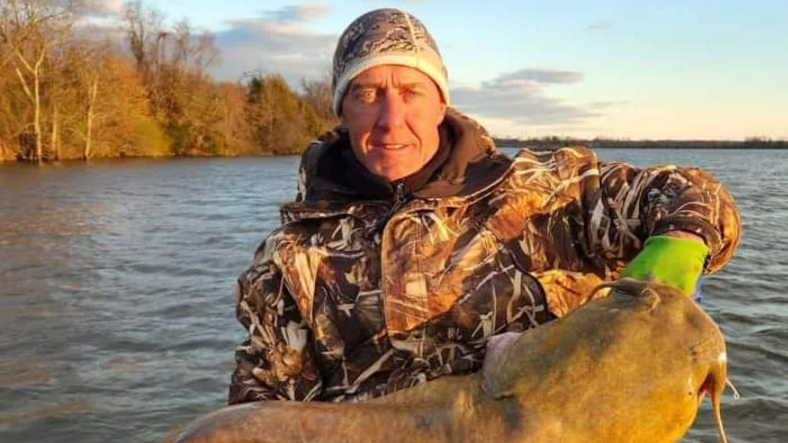
- Kansas Trophy Blue Catfish Guided Trip


Summary
Join Captain Gregory Hirschey on a dynamic channel catfish fishing and tours adventure in Manhattan, Kansas. This July trip delivered an explosive catch with five anglers working the water and scoring big on some hard-fighting channel catfish. The boat and trailer setup shows exactly what local expertise and serious fishing looks like in Kansas waters.
Channel Catfish Fishing with Captain Gregory Hirschey - Rates & Booking
Captain Gregory Hirschey of Fish n Tales Go took the water on Thursday, July 16, ready for action. This Manhattan, Kansas fishing trip brought together five anglers and delivered exactly what everyone came for - hard-hitting channel catfish action with a loaded boat showing the day's impressive results. Whether you're chasing your first catfish or adding to a lifetime of catches, booking a trip with Captain Hirschey puts you in position to tangle with some serious Kansas fish. Contact Fish n Tales Go to reserve your spot and get the details on trip duration, group size, and what's included in your adventure.
Highlights of Channel Catfish Fishing Adventures
This trip showcases what makes Manhattan area fishing electric. Five anglers working together, a well-equipped boat and trailer system ready for the challenge, and channel catfish that fought hard from start to finish. The boat setup visible in this catch photo represents the professional gear and preparation that separates casual outings from legitimate fishing expeditions. Every detail from the vessel to the tackle matters when you're targeting aggressive catfish in Kansas waters.
Channel catfish are built for hard pulls and exciting battles. These fish don't give up easy, and when five anglers connect simultaneously, the action becomes fast and furious. The July timing caught prime catfish season in Manhattan, with water conditions and fish activity at peak levels. This is the kind of day that keeps anglers coming back.
Local Species Insights: Channel Catfish
Channel catfish are the workhorses of Kansas fishing, and Manhattan offers some of the state's best hunting grounds for them. These aggressive fish thrive in the region's water systems and respond enthusiastically to proper technique and presentation. What makes channel catfish so exciting is their fighting style - they hit hard, take line, and battle fiercely all the way to the boat.
Channel catfish are bottom feeders and scavengers with a keen sense of smell that keys them into bait presentations. In Manhattan's waters, they inhabit channels, deeper holes, and structure-rich areas where they hunt for food. Understanding their behavior and habitat preferences transforms a fishing trip from random casting to targeted, productive action. The fish in this catch photo represent exactly why local anglers love pursuing catfish - reliable, strong, and always willing to fight.
These catfish prefer live bait or cut bait presentations, and they'll keep biting throughout the day and into evening hours. They school together, which means when you find one, more are usually nearby. That's why trips like this one with five anglers often result in multiple hookups and non-stop action. The size range varies, but Manhattan area channel catfish can push into double figures, delivering fights that test tackle and technique.
Water temperature, oxygen levels, and seasonal patterns all influence catfish location and feeding intensity. Summer months like July create ideal conditions - warm water fuels aggressive feeding, and longer daylight hours extend prime fishing windows. Captain Hirschey's expertise navigating these variables puts anglers exactly where the action happens.
Plan Your Channel Catfish Fishing Day
A successful catfish expedition in Manhattan starts with understanding what to bring and what to expect. Dress for Kansas sun and have sunscreen ready - July heat is serious, and extended time on the water demands protection. Bring comfortable clothes that allow freedom of movement for casting and fighting fish. Closed-toe shoes grip the deck better than sandals, especially when things get active.
Five anglers working a single boat creates an energized, social atmosphere. Everyone gets prime fishing time, and the group dynamic makes the action even more exciting. Captain Hirschey manages the setup to maximize fish contact for all participants. Bring a camera ready to capture your own landing moments - fish this size demand documentation.
Physical exertion matters when channel catfish are biting. Fighting multiple fish throughout a day builds forearms and shoulders. If you're not accustomed to frequent casting and reeling, pace yourself and stay hydrated. The reward - multiple hookups, hard battles, and the satisfaction of landing channel catfish in Kansas - makes every bit of effort worthwhile.
Fishing in Kansas: Channel Catfish
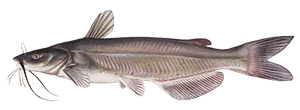
Channel Catfish Overview
The Channel Catfish (Ictalurus Punctatus), a member of the family Ictaluridae and order Siluriformes, stands out as one of North America's most beloved and resilient gamefish. These whiskered warriors are easily recognized by their slime-covered bodies, prominent barbels, and deeply forked tails that cut through the water like an upside-down V. What makes them truly remarkable is that their entire body is covered in taste buds—yes, their skin can literally taste—which gives them an almost supernatural ability to hunt in the murkiest conditions. Channel Catfish have been a staple for anglers across countless rivers and lakes for generations, and their reputation for hard-fighting spirit combined with their willingness to bite makes them an excellent target for both novice and experienced fishermen alike.
Channel Catfish Habitat and Distribution
Channel Catfish thrive in a wide variety of freshwater environments, showing a strong preference for reservoirs, lakes, and river systems throughout North America. These adaptable fish are particularly fond of areas with structure—river bends, deep channels, rocky wrecks, and tidal mouths all provide ideal habitat. They prefer warm waters and can tolerate both clear and muddy conditions, though they seem equally content in either. Look for them near debris piles, hollow logs, and underwater cavities where they like to hide and spawn. Across the continent, from small regional waterways to major river systems, the Channel Catfish has established itself as a native species that's become synonymous with successful weekend fishing trips.
Channel Catfish Size and Weight
Most Channel Catfish anglers can expect to land fish ranging from 15 to 25 inches in length, typically weighing between 2 to 4 pounds. However, these fish can grow significantly larger under the right conditions. Many seasoned anglers consider a 10-pound specimen admirable, while a 20-pounder is truly impressive. Historical records show Channel Catfish have been documented at weights approaching 58 pounds, though such trophies are exceptionally rare. The average catch provides excellent action and sport, making them perfect for a satisfying day on the water without requiring specialized equipment or extreme dedication.
Channel Catfish Diet and Behavior
Channel Catfish are opportunistic omnivores with remarkable sensory capabilities. They spend much of their time feeding along the bottom, searching for vegetation, aquatic insects, snails, crawfish, seeds, and smaller fish. As they mature, their diet becomes increasingly varied and their appetite more aggressive. What sets them apart behaviorally is their reliance on taste rather than sight—their barbels and taste-bud-covered bodies allow them to navigate and hunt effectively even in total darkness or cloudy water. They communicate with each other through sound waves, creating clicks and grunts that serve various social functions. During daylight hours, they often retreat to deeper holes and cavities, becoming more active at dawn, dusk, and throughout the night. This nocturnal tendency makes evening and night fishing particularly productive.
Channel Catfish Spawning and Seasonal Activity
Channel Catfish are most active during warmer months, with peak feeding and spawning occurring in spring and summer when water temperatures climb. Spawning typically happens in late spring when they seek out cavities, crevices, and hollow structures to deposit eggs and protect them from rushing currents. Males become particularly aggressive during this period, actively defending nesting sites. Fall and winter see reduced activity, though hungry Channel Catfish will still bite under the right conditions. The species grows best in warm environments, so understanding seasonal temperature changes in your local water helps predict when and where to find them most reliably.
Channel Catfish Techniques for Observation and Capture
Bait Selection and Rod Setup: The most effective approach involves using stinkbait, which appeals specifically to Channel Catfish due to its pungent amino acid profile—particularly L-Arginine and L-Alanine—that creates an irresistible scent trail. Alternative baits include cheese-based fibrous preparations, live minnows, and worms. Pair your bait with a 7 to 7.6-foot fishing rod featuring a strong backbone capable of handling their weight and powerful runs. Sharp, oversized treble hooks are essential for penetrating their notoriously hard mouths and preventing escape. Cast near structure—river bends, debris piles, and channel drop-offs—and let your bait settle to the bottom where these bottom-feeders naturally hunt.
Location and Timing: Fish river tidal mouths and bends during slack tide or incoming water when Channel Catfish are most active. Early evening through midnight represents prime fishing time, though they'll bite throughout the day if conditions are right. Position yourself near wrecks, submerged logs, or deep holes where they shelter. Around major rivers and reservoir systems, focus on transition zones where shallow flats meet deeper channels—these are natural highways for foraging fish.
Handling and Safety: Once hooked, Channel Catfish fight hard and can be slippery due to their protective slime coating. Approach them with respect: their dorsal and pectoral fins sport sharp spines capable of inflicting painful cuts. Keep a secure grip, use a net when possible, and be prepared for a spirited struggle. These fish are remarkably difficult to tire, often requiring patience and steady pressure to bring to boat or shore.
Channel Catfish Culinary and Utilization Notes
Channel Catfish have long been valued as a food fish, particularly in Southern cuisine, and they offer mild, slightly sweet white meat that's excellent when properly prepared. Fried, baked, or blackened, they provide a reliable source of lean protein. The average odds for food quality are solid, making them a practical choice for anglers interested in both sport and a fresh meal. Their sustainability as a native species and relative abundance means harvesting them responsibly supports both tradition and local ecosystems. Always check local regulations regarding size and bag limits to ensure ethical and legal harvest.
Channel Catfish Frequently Asked Questions
Q: What is the best bait for catching Channel Catfish?
A: Stinkbait is widely considered the gold standard due to its powerful amino acid scent profile that Channel Catfish find irresistible. However, live minnows, chicken liver, and cheese-based baits also produce excellent results. The key is using something with a strong scent that will disperse through the water column, allowing these taste-sensitive fish to locate your offering from a distance.
Q: What rod and reel setup do I need for Channel Catfish?
A: A 7 to 7.6-foot rod with a strong backbone and a quality baitcasting or spinning reel capable of handling 15-25 pound test line is ideal. The longer rod length allows for better casting distance and more effective presentation techniques like pitching and flipping. Ensure your rod has enough power to handle their runs and head shakes without breaking.
Q: When is the best time to fish for Channel Catfish?
A: Evening through midnight is prime time, though they bite throughout the day. Spring and summer offer the most consistent action when water temperatures are warmest. Look for them during periods of low light when they're naturally more active feeders. Overcast days can also be productive as they're less sight-dependent than other species.
Q: Where can I find Channel Catfish near popular fishing destinations?
A: Focus on river bends, tidal mouths, deep channels, and areas with submerged structure like logs, rocks, and debris piles. Reservoirs and larger lakes with significant depth variation are excellent choices. Check local fishing reports and ask at bait shops—they'll know the most productive spots in your region and current conditions.
Q: Why do Channel Catfish have those long whiskers?
A: Those barbels aren't just for show—they're sensory organs packed with taste receptors that help compensate for relatively poor vision. In murky water or darkness, these whiskers allow them to navigate and locate food with remarkable precision. Their entire body, in fact, is covered with taste buds, giving them an almost superhuman ability to detect prey.
Q: Are Channel Catfish good to eat?
A: Absolutely. They provide mild, slightly sweet white meat that's excellent when fried, baked, or blackened. They're a traditional food fish, especially in Southern cuisine, and offer good nutritional value as a lean protein source. Always follow local size and bag limit regulations, and consider harvest sustainability based on your local fishery's management guidelines.